An image of a scoop of ice cream can vary in size and still be true to size.
A CD player can only be a certain size to work, so some sizes would be untrue. That is not the case for the ice cream, however.
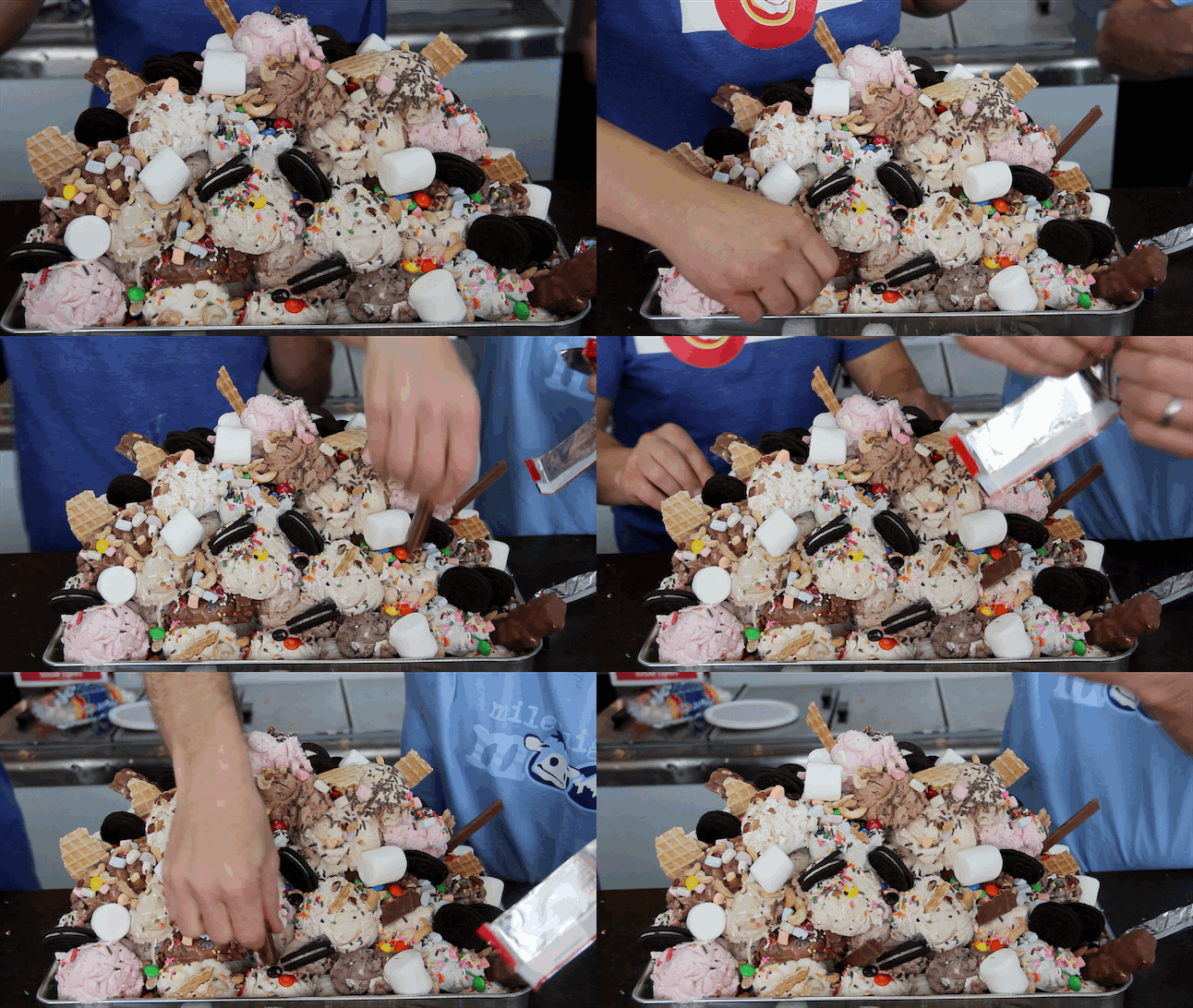
There are objects whose images can be shown at 'untrue' sizes while still being true and functional, compared with objects whose images are false because the objects work only at a certain size.
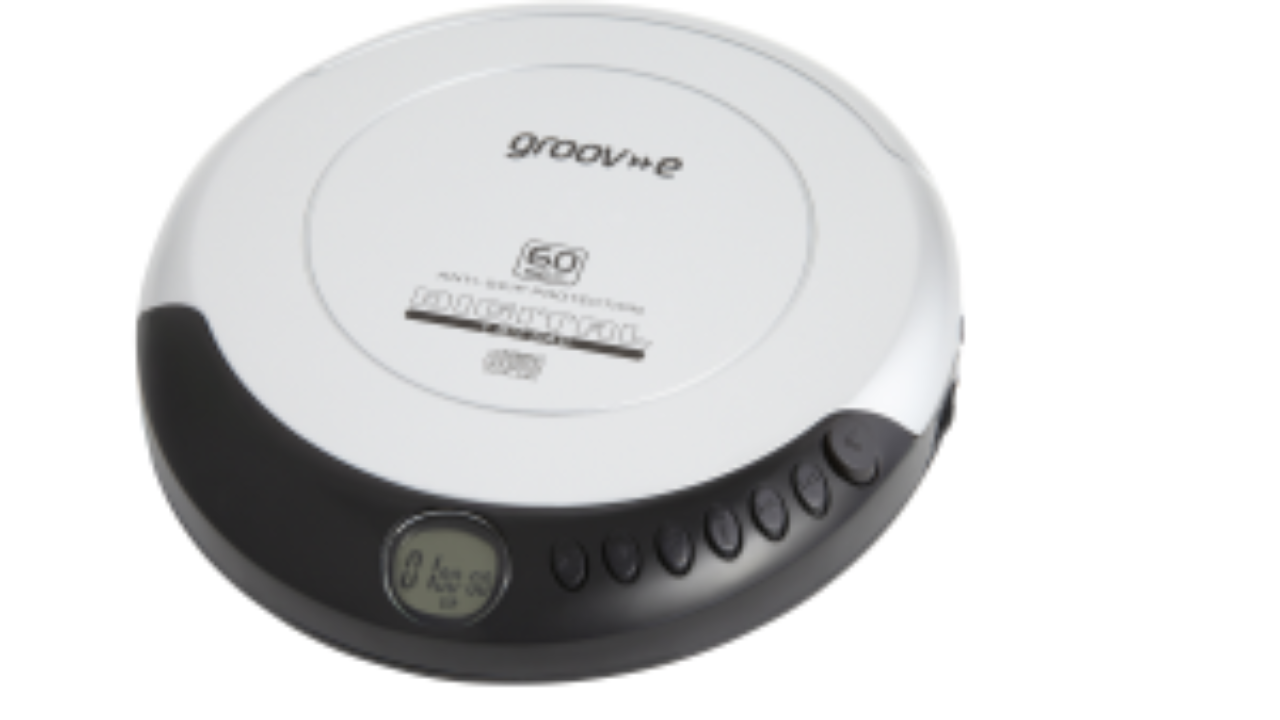
You then have two different positions in the category of sizes:
1. Sizes are illustrated and can vary in scale.
1.1 But depending on the illustration of the object there is only one real size; here again, it depends on whether the object is adjustable in size, like the ice cream, or exists in only one size, like the CD player.
2. Sizes that are not illustrations, but are of a certain size or based on an adjustable size.
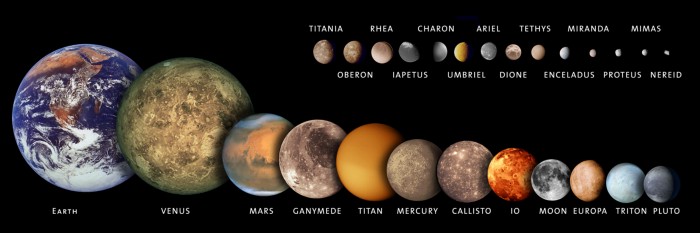
The size of planets?
Are planets rendered at an average size?
This is where I ask you a question, and you can reconsider them.
Another example:
Measure 1: Are objects shown at an untrue size because they relate to a rendered average size? Look at the microchip installed in our electronic devices.
Measure 2: Are objects adjustable in size based on their fundamental origin? Look at the plants and trees in the forest.
Everything and anything can come in different sizes. It is about how they behave in our physical environment as elementary and advantageous objects.