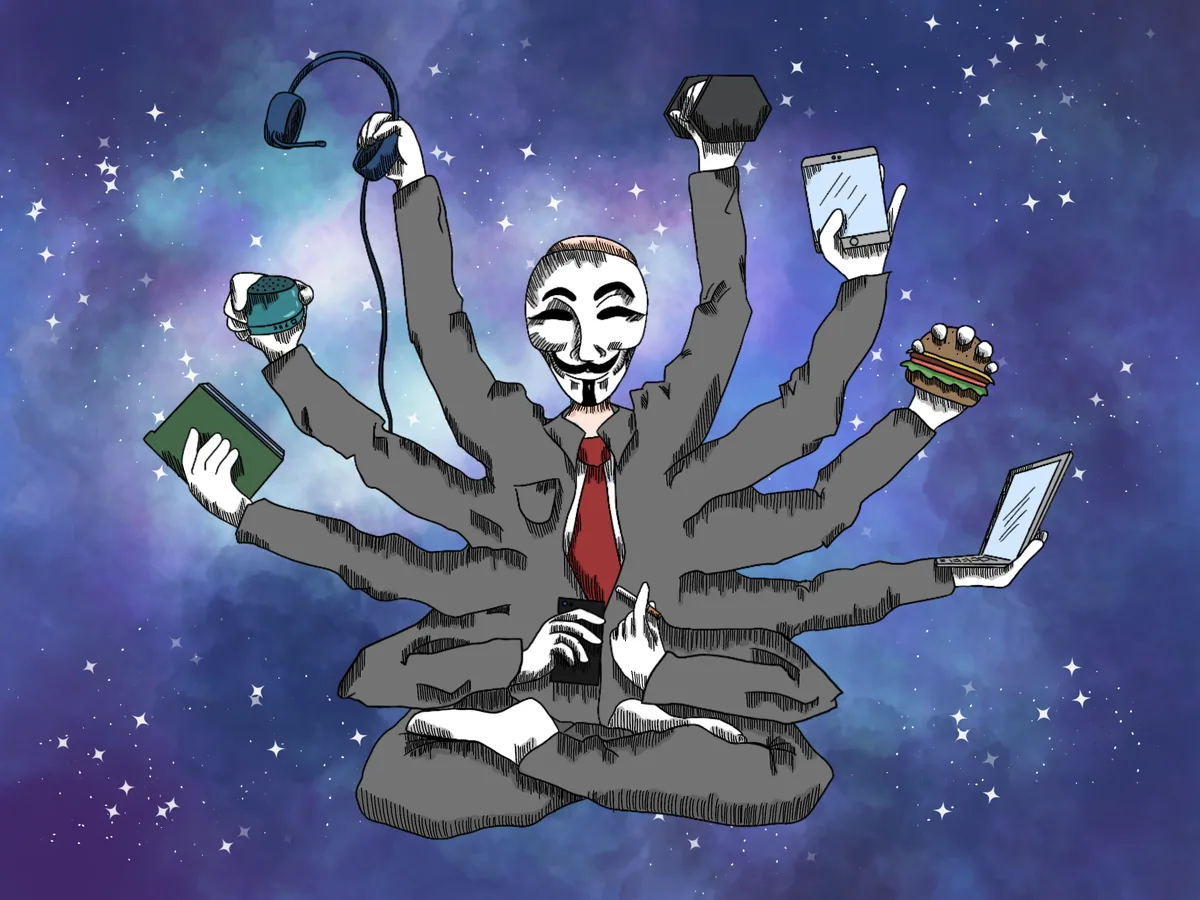
Is there really an answer to where you want to go, for those who do not know?
Have you been asked to do this and that, but do not know or do not really want to? Ask yourself: where do you really want to go? Must you solve life’s great riddles about yourself or your surroundings?
Whether you are unemployed, connected with NAV in some way, or looking for a different practice in life, a more philosophical direction might be for you. You do not have to become a philosopher to understand philosophy. Start by understanding what things around you mean to you, then ask what really suits you, where you want to go and what you want. Something meaningful that gives you a sense of mastery and passion. Feel like a living being present on this planet and in your city. Let your mind be present with what you see around you. Feel who you are and what and where you want.
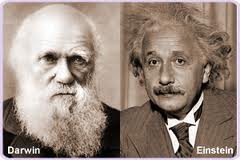
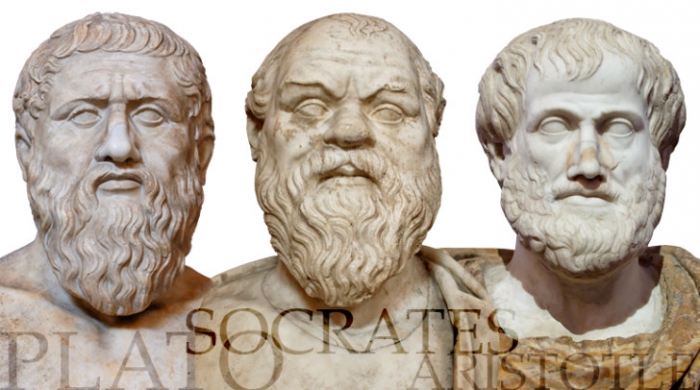
More about philosophical “work practice”: the next Aristotle or Socrates.
What if work placement, training or vocational education is not enough, for the many unemployed people in society or for someone who has a job but feels something is missing?
Could it help to guide them or you in a philosophical direction, giving insight into life and what it means to be human on this planet? A curriculum for people with little interest in other curricula could help them understand themselves and how society works and has worked. It could introduce how ideas arise and what rational thoughts consist of: how to think and discover what you want next in life. It may produce good and bad ideas, helping you distinguish right and wrong for yourself. Understanding the directions life can take may make it easier to choose well for yourself and others.
How difficult is it to understand that mischief and negativity can be poor choices with negative, unpredictable consequences?
What about helping individuals, or yourself, with a foundation in philosophy and an understanding of the world’s pitfalls and possibilities? Understanding what the world offers matters greatly. Do not look only at the things you seek and want. See that you have been given a life and a way of thinking: thoughts that can lead into discomfort or towards something wonderful.
You are a wonder, a life on a planet in a solar system, in a galaxy, in a universe full of other galaxies. You may have the opportunity to make decisions that many others cannot. Use it.
Limits and obstacles
There is much one would like to do but is unable to do.
Much is within reach. We know what we need to do but cannot get it done. Human beings have physical and mental limits. What lies behind them? Human evolution?
I use myself as an example: I know things that would lead me towards better finances and personal happiness, but I cannot carry them out. My body, especially my brain, has limits. Is it my upbringing? Genes? My identity wants more than I can manage. That is the great mystery about me.
What about other examples? How does an ordinary person experience their limits? Do they want much more than they can achieve?
If the brain had no limits, this planet would look different. Some people who appear without limits have achieved what they want, if they have clear goals and know where they are going. Others may be without such limits but unsure where they want to go.
Others manage well with a simple life. Their limit may be how far they are willing to go in their own plan for success or happiness. An example is a father working as a plumber who plans to renovate the house, save money and occasionally buy a new car.
Being “without limits” is measured by how far a person is willing to go to achieve what they want. Being “with limits” describes someone who knows where they want to go and what is required, but cannot do it because of a limitation in brain or body.
An athlete is limited in setting a world record by the body. They can train, but there is a maximum level of strength.
From a human perspective we might consider the brain as present, partly present or absent, depending on the level of limitation:
If the brain is present at every level, the person can do everything they want, without limits.
If partly present, the person can do some of what they want and know, but not everything because of their own limits.
When the brain is not present, limits take effect almost completely and the person does only everyday things. They may be informed and knowledgeable but unable to perform tasks they know could lead to a better life.
This has much to do with:
Upbringing, environment and parenting
Mental training, school and training the will
Of course everyone has limits. I am talking about limits on what you know is within reach: knowing the action needed to move forward and achieve what you want, yet not being able to carry it out — a brain struggling to act, your own limitations.