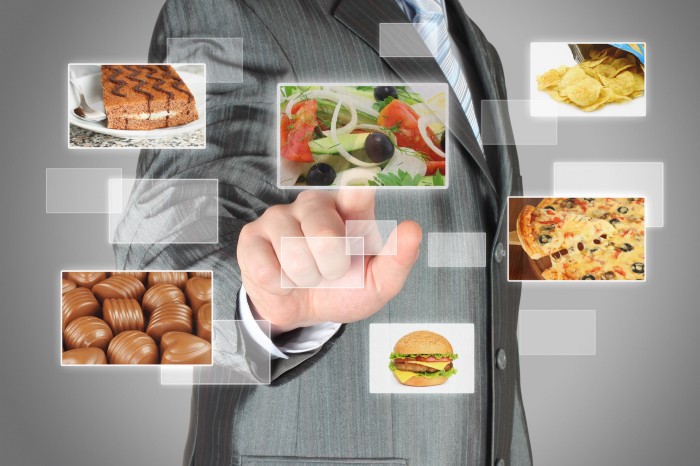
What about food and technology?
This is about our future at the intersection of food and technology: how we change the way we eat, produce and monitor food. Combining food and technology offers many possibilities, and we can improve in many different areas.
What will improve? What kind of technology?
Improvements everywhere, improvements around us, improvements to satisfy our needs in the search for a better livelihood for everyone.
Countries should improve together with their populations. The international community should improve through innovative people.
Innovation moves us forward with time, towards a better time for civilisation. Fast, stable innovation keeps us going and can bring improvements to those who embrace it.
As countries improve, improvements are made in cities, where people work to make their ideas real. These ideas could change the way we develop, eat or prepare food.
Ideas such as food printers
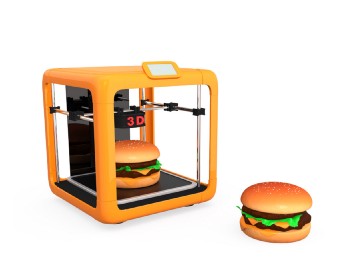
Having a food printer at home is currently rare and particularly expensive. The development of 3D food printers has already begun, but they are not yet a common household item.
It may not be far away before they become common in our homes. Companies have already started developing food printers.
It is a question of perfecting the process: printing a better, digestible and tasty meal, whether a snack or breakfast.
I think we should see printers that let us taste things. When you see a food advertisement online or on television, you could print a sample afterwards and taste it. It tastes like what the eye sees.
Ideas such as modern agriculture
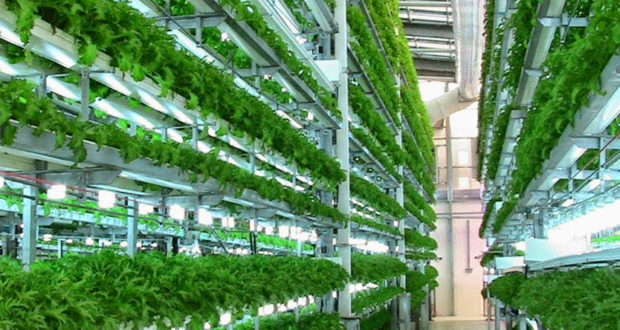
Modern agriculture should keep us alive, healthy and supplied with enough food. Over time, innovative agricultural ideas should modernise the whole system of producing food for civilisation.
Technically, agriculture will improve with time, though technology is a major expense for farming communities. When the time is right, the price should fall substantially and we can improve agriculture everywhere.
Ideas such as a food-monitoring system
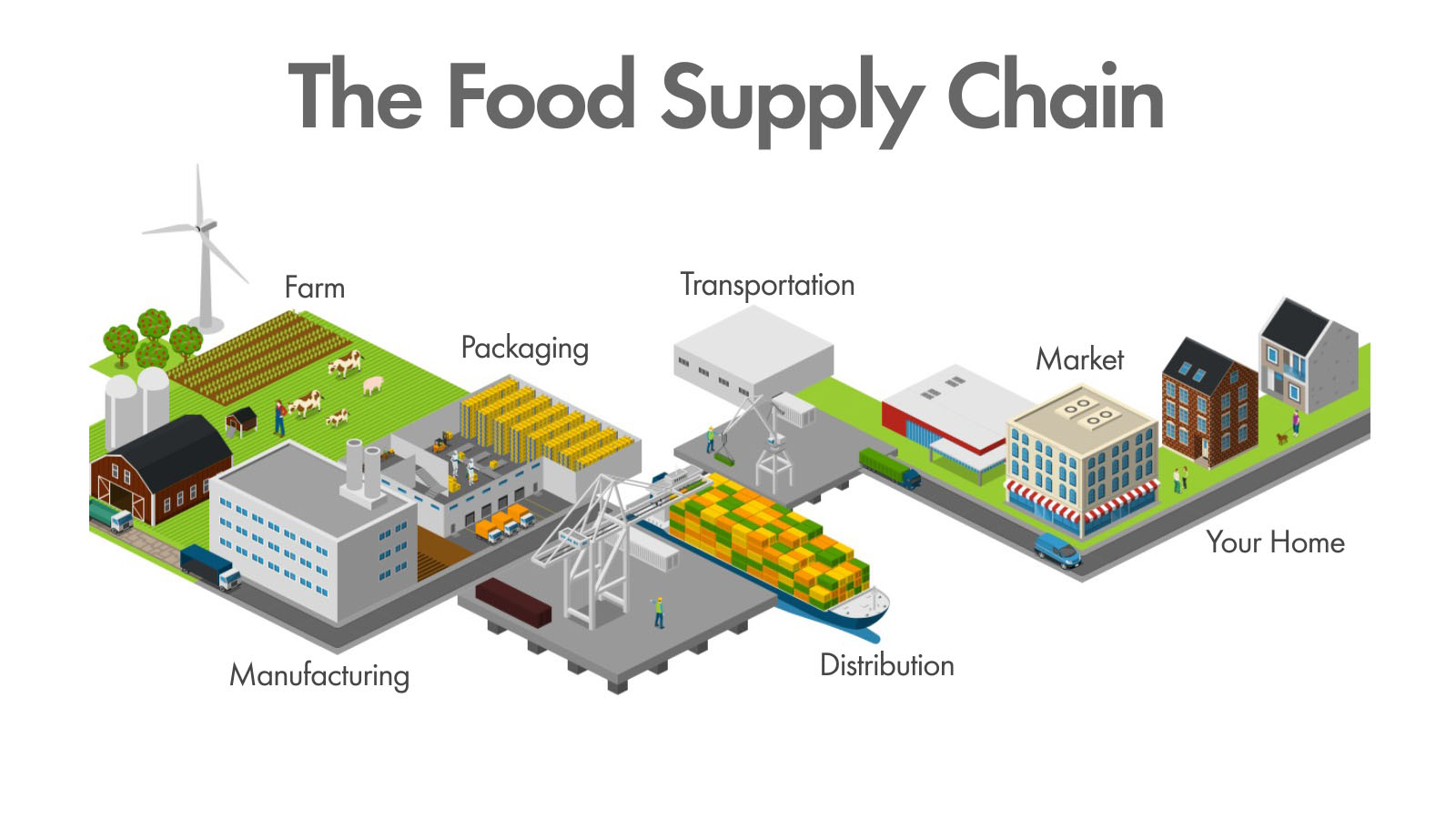
A system for grocery stores and their customers could notify customers or charities that food is approaching or past its expiry date. Rather than throwing it away, give it to someone who needs it, with a discount if necessary. An app could provide notifications. Spoiler: an app already exists! It is called Too Good To Go.
What about a personal system that monitors what you eat? Sensors in your home, connected to your smart device, could provide information about everything you eat. If you want, you could see details of the type and amount of nutrition you consume. Unlike an app, you would not need to enter the information yourself: it would be autonomous. Digital eyes and sensors could record what you buy and consume. Perhaps your glasses could see and record the data. Would that not be easy?
Possibilities?
Food and technology offer possibilities for everyone involved, everyone who wants to be part of the food and technology revolution. It could be a change in our time that saves us from food shortages. Human talent and innovation may help us address shortages, hunger and frustration.
We should encourage and influence those who want to join innovative communities, those who see a solution among millions or billions of people.