In a world continually searching for sustainable and innovative energy sources, the idea of using lava as a source of energy has attracted considerable interest. With its incredible heat, lava could potentially offer a powerful energy source, particularly in areas near volcanoes.
Power Plants Near a Volcano
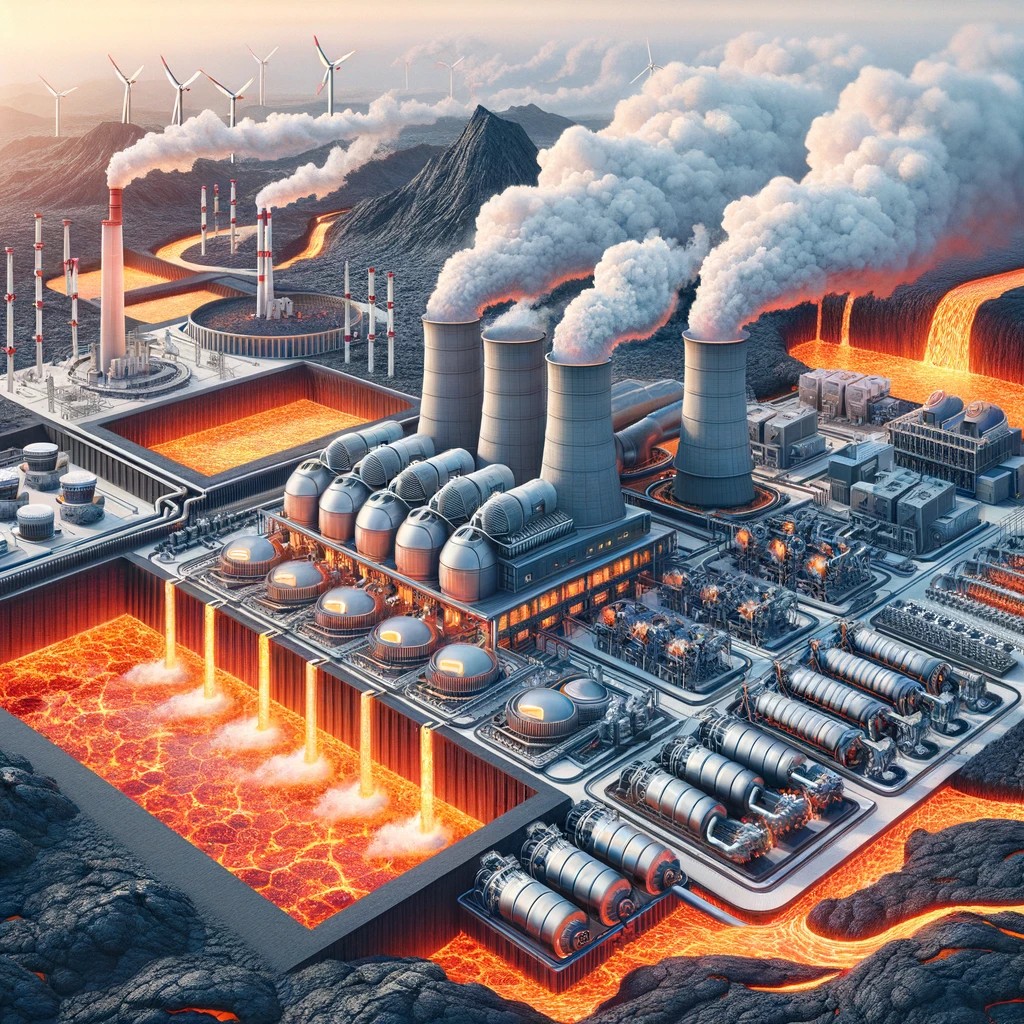
One possibility is to place power plants right next to a volcano. Lava could then be used directly as a source of heat. Its heat could turn water into steam, which could drive turbines to generate electricity. This direct method minimises energy loss, but it requires advanced technology to handle the extreme temperatures and safety risks.
Transporting Lava Through Pipes
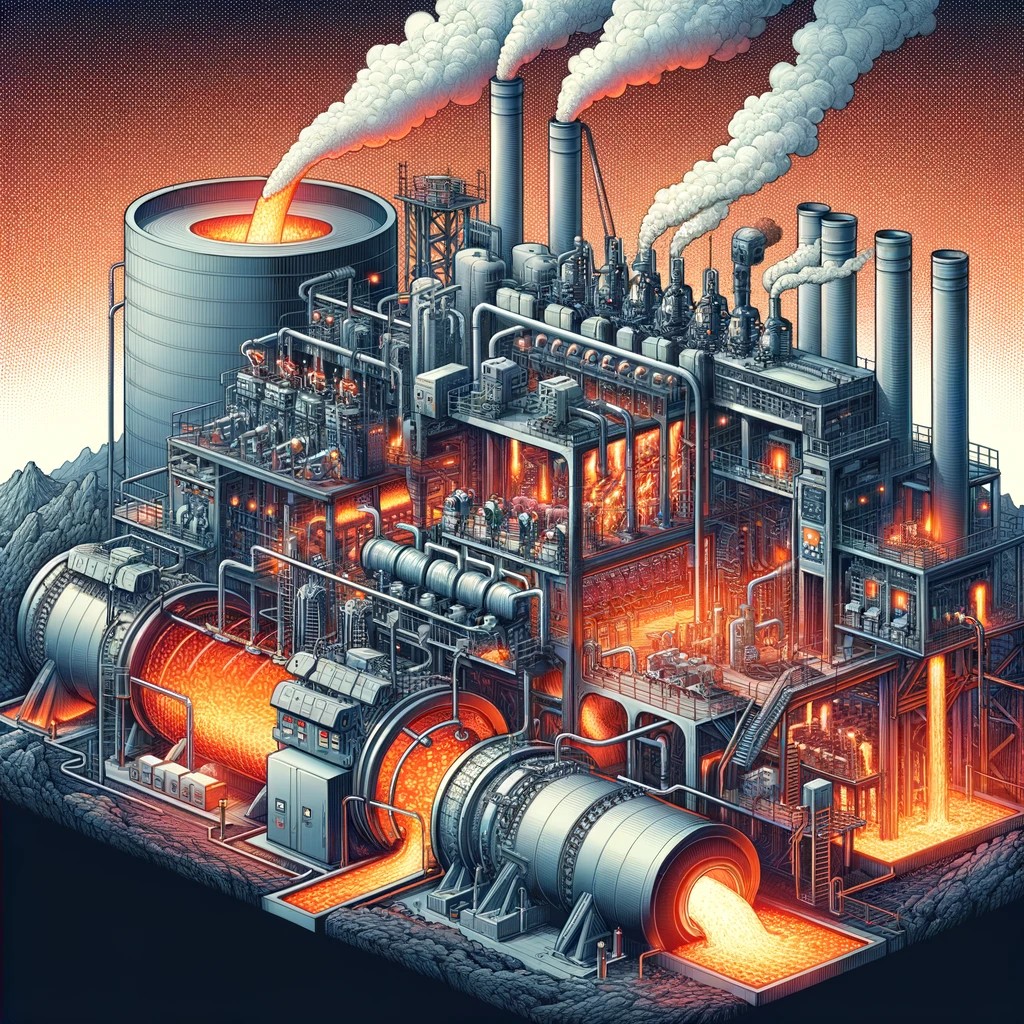
Another method is to carry lava from the volcano to a nearby power plant through insulated pipes. This allows the plant to be located at a safer distance from the volcano while still using the lava's heat to produce energy. The piping system would, however, have to be extremely heat-resistant and secure to prevent leaks or damage.
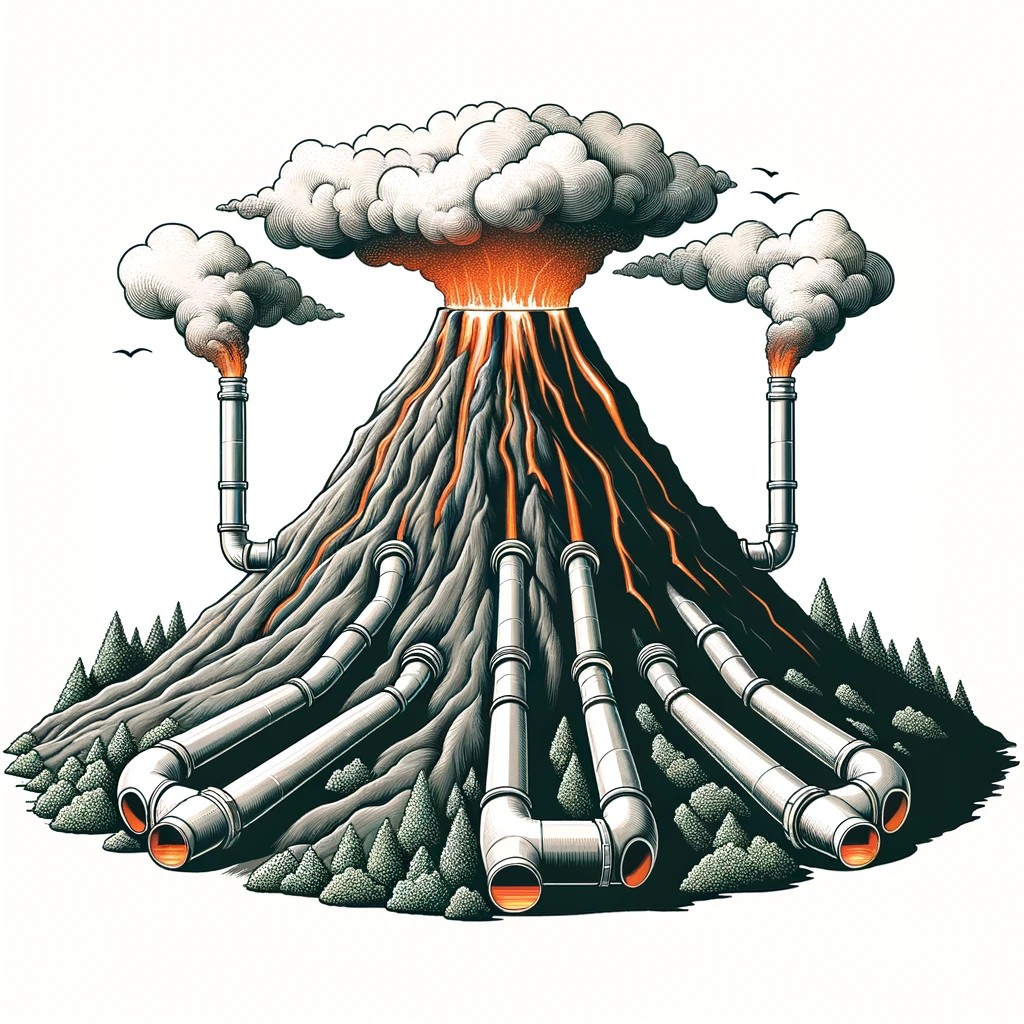
Transport in Containers
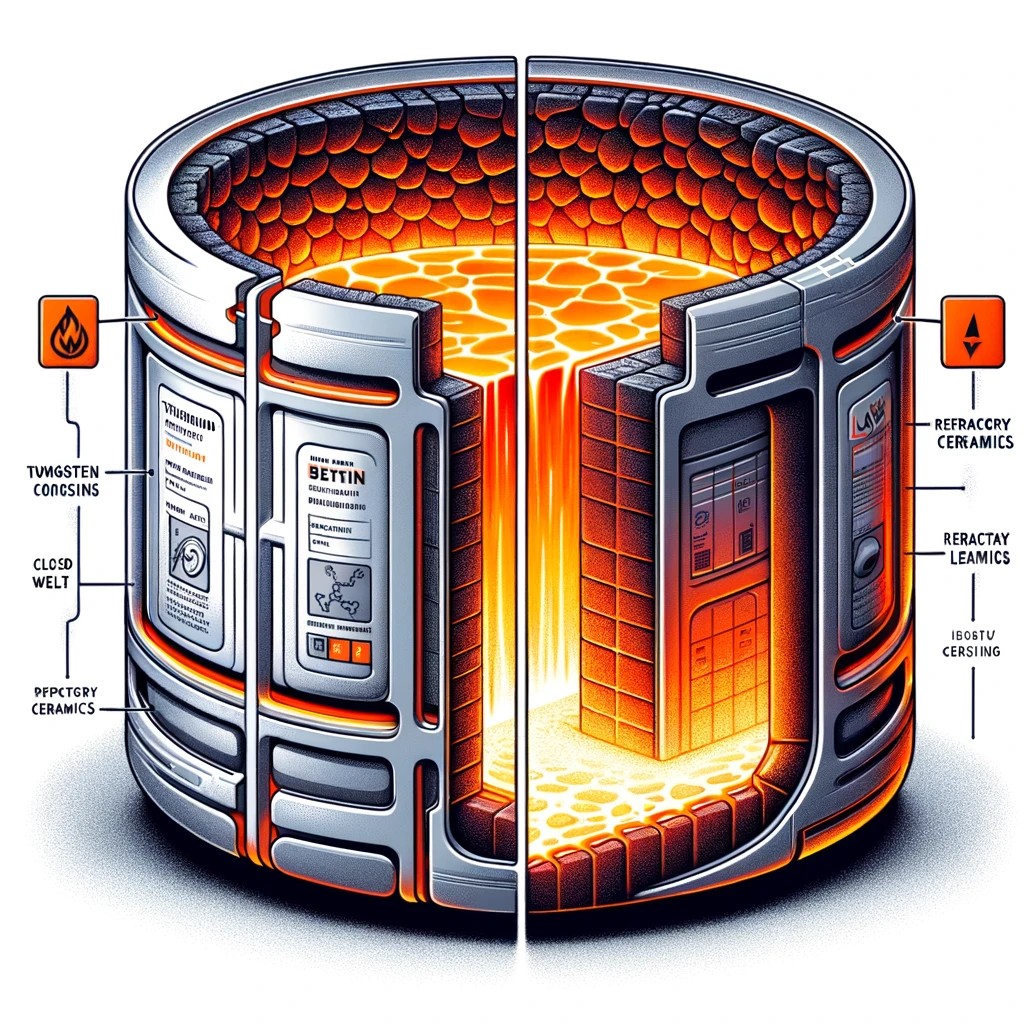
A third possibility is to transport lava to distant power plants in specially designed containers. These containers must withstand extreme temperatures and retain heat over long periods. Materials such as tungsten, refractory ceramics like aluminium oxide, and niobium-based alloys are ideal for these containers because of their ability to withstand and reflect high temperatures. A system could also use lava as an energy source to heat the stored lava, ensuring a constant temperature and efficiency.
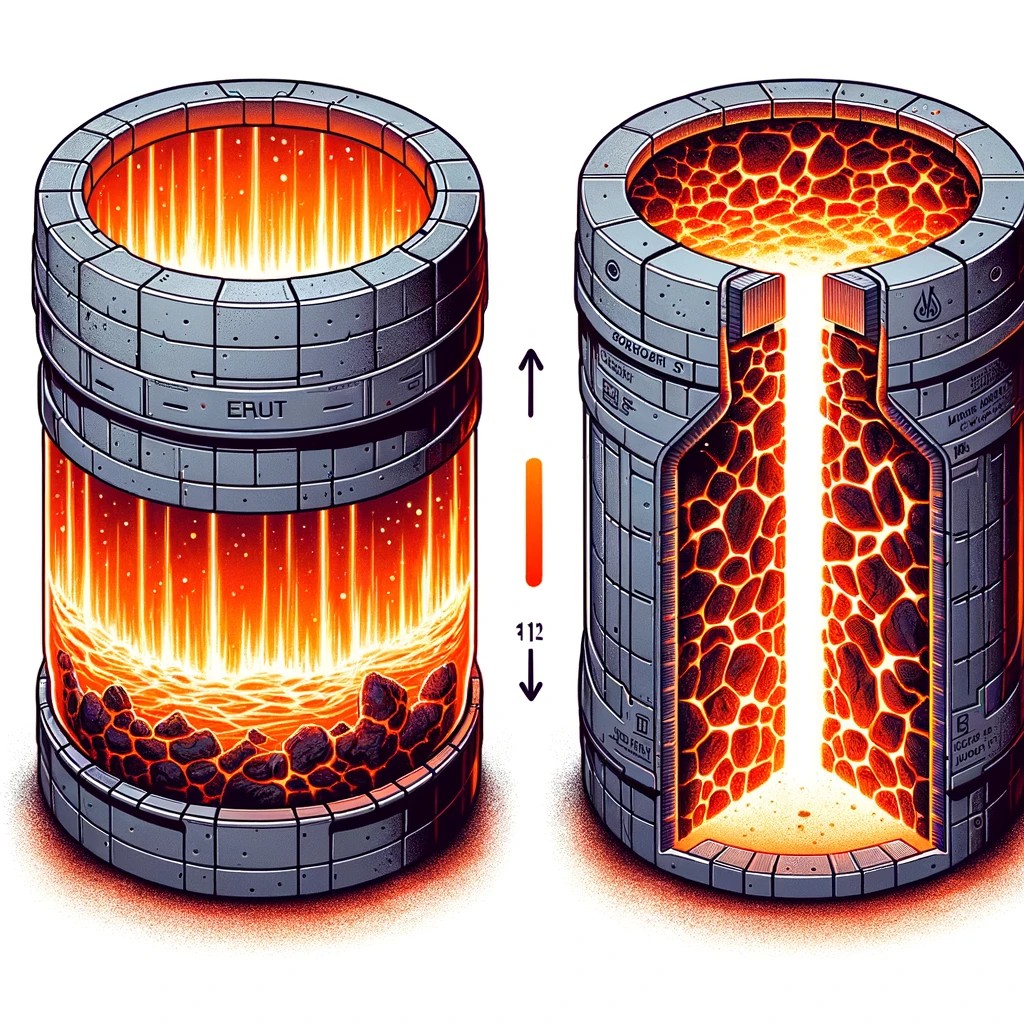
Choice of Materials
- Refractory ceramics: Aluminium oxide and silicon carbide are ideal because of their heat resistance and stability at high temperatures.
- Tungsten: Extremely heat-resistant and useful for parts of the container exposed to the highest temperatures.
- Niobium-based alloys: Used in critical components that require strength at high temperatures.
- Inconel: Useful for parts of the system exposed to both high temperatures and corrosive substances.
- Molybdenum: Offers a balance between heat resistance and mechanical strength.
- Graphite: Usable in controlled atmospheres for high-temperature applications.
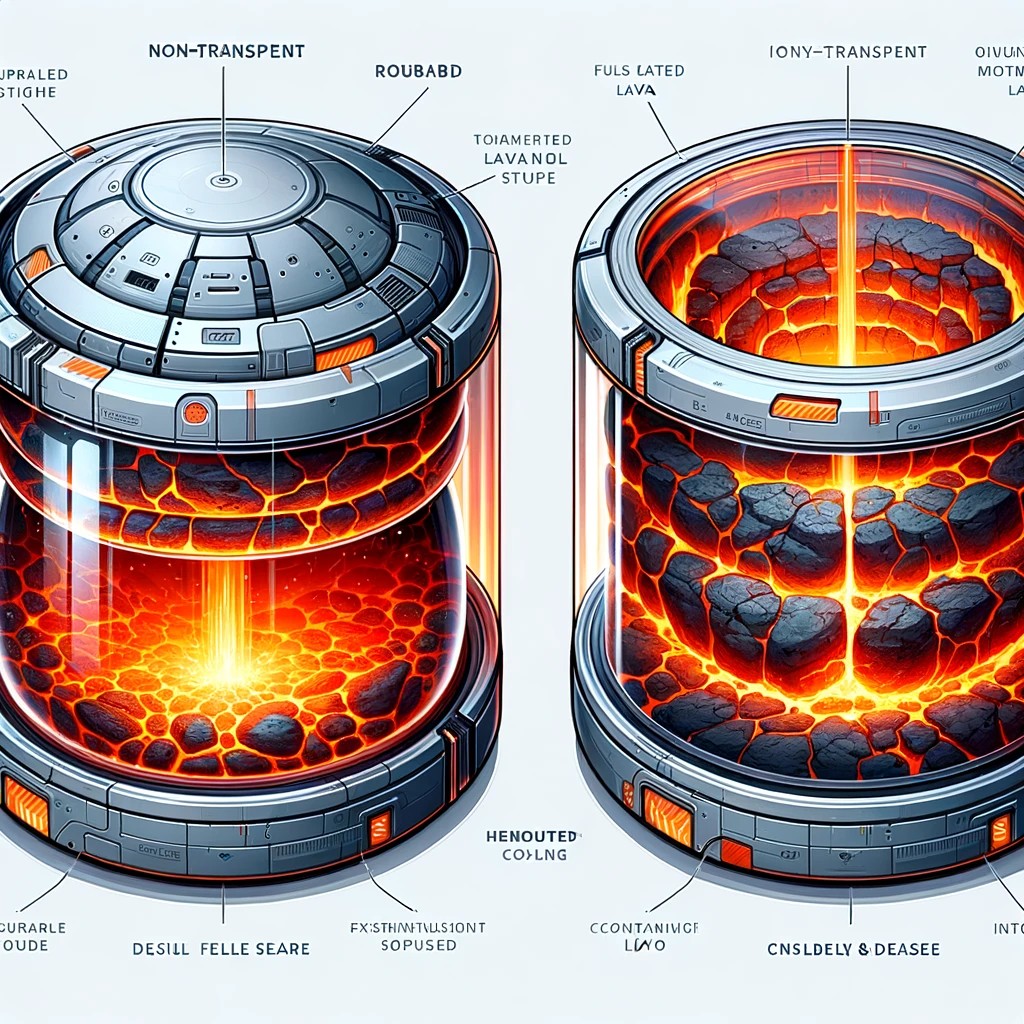
Electricity from Lava in Modern Power Grids
Continuous, powerful energy production from lava has the potential to play a key role in future energy networks. With today's technological advances in electrical infrastructure, electricity generated from lava could be a reliable energy source distributed over long distances, even across several countries.
Long-Distance Distribution
Modern power grids, reinforced by high-capacity transmission lines and advanced control systems, can efficiently transport electricity produced from lava in volcanic regions to distant cities and industrial areas. High-voltage transmission lines reduce energy losses during transport, allowing the electricity to reach broader and more varied markets.
International Power Networks
Power plants that use lava can serve as significant hubs in an international power grid. This enables not only regional energy sharing but also international trade in electricity. Countries with abundant volcanic resources could export surplus energy to neighbouring countries, leading to greater energy security and economic cooperation.
Continuous Energy
One of the most significant advantages of lava as an energy source is its ability to produce a constant flow of electricity. Unlike other renewable sources such as solar and wind, which depend on weather conditions, lava can offer a steady and reliable energy supply. This makes it particularly valuable for meeting the constant energy needs of modern society.
Integration into Smart Grids
With the integration of smart-grid technology, energy from lava can be distributed and managed even more efficiently. Smart networks allow dynamic management of energy flows, optimisation of supply to match demand, and improvements in the grid's reliability and resilience to disruption.
The Energy of the Future
Although significant research and development are still needed to realise lava's full potential as an energy source, the idea represents an exciting area for future energy development. Combined with modern power grids, electricity from lava could contribute to a more sustainable and robust global energy infrastructure.
Overall, lava, as a powerful and stable energy source, could play an important role in developing future energy systems and contribute to a more interconnected and sustainable global energy network.
Conclusion
The use of lava as an energy source is still at a conceptual stage and requires significant technological advances. But the potential for clean, powerful and renewable energy makes this idea a fascinating field of research. With the right materials technology and safety protocols, lava could one day become a central energy resource in certain parts of the world.
Thank you for taking the time to read this article.
This is an idea of mine, produced by ChatGPT.