Science can be explained using different methods.
For most people, one of the most common is a screen. A digital screen can explain science through video, sound or text. Illustrations and graphics can make science easy for many people to understand.
I was watching a science television show on my screen. A researcher explained a theory using a bottle of acidic liquid and objects on which to apply it, illustrating an experiment. I had to watch him do it on my screen. What could be different about this picture? The way you receive information about the theory and how it works. Besides watching the show, you could receive information in other technological and autonomous ways.
You should receive information generated by reliable sources through a high-tech solution.
This solution could be a device integrated with a “memory second brain”. The second brain would be powered by machine learning, also called deep learning, network connections, knowledge databases and intelligent processing engines.
It would learn what you like and retrieve information at the stage or process you are in. Suppose you are studying a computer science book: you need to read. But what if you could store the information you need in a second brain as well as your own, where you learn through practice and senses such as hearing and sight?
A device could follow you and learn how you function and prefer to live, adjustable if you decide to reset your preferences.
Of course, the device would be connected to the internet, the information cloud.
Your second brain would be a type of AI searching the internet for information, looking through preferred databases by category and system.
If it cannot find something, storage and processing could help it learn and compare with similar or existing data, eventually finding an answer. If AI becomes as complex as we discuss for many years into the future, our second brain could handle today’s simple everyday tasks in fractions of a second. The more global, economic, socially critical and environmental tasks facing humanity would be handled by the most complex AI.
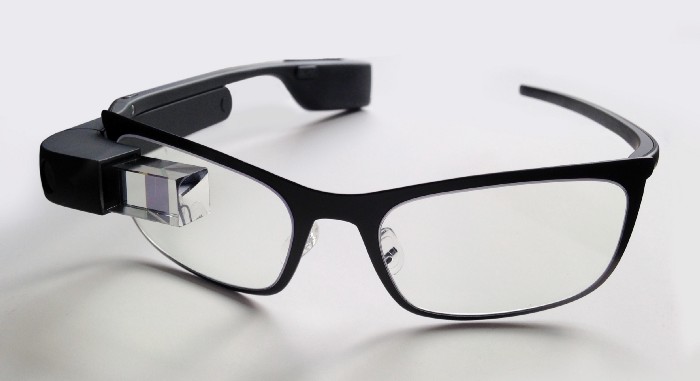
For immediate information, we need to wear something that shows it instantly instead of taking out our phones.
The first device that comes to mind is Google Glass: a static, passive device that does not need your hands. You could use your voice, choosing simple yes and no answers and short one-word commands if you prefer to speak less. It would learn what you like, becoming a personal assistant and second brain.
The device would bring necessary or related information to your location or situation. Short one-word commands would make the experience more comfortable and useful.
Into different environments? With Google Glass, an online AI and an all-knowledge database.
A useful AI
When I enter a facility with many toilets side by side, I have several options. Which should I choose based on being less used and having less odour?
What if a type of Google Glass immediately knew the best option when I entered? A camera integrated with the device could connect to an online AI with a massive knowledge database and find answers in seconds.
It could offer alternatives based on the surrounding environment, knowing and learning your preferences from your profile.
If you like cleanliness
If you want to be safe
If you want options
If you need help
Information
A need to socialise
Suggestions for things to do
Each option is calibrated to your preferences. A highly intelligent machine in front of you could give answers adjusted to you, categorising and sorting choices from most to least preferred, with everything in between calculated for the benefit of you, the main brain.
What would it be like for most people to have a digital personal assistant that appears whenever and wherever they choose to use it?
A P-E-R-S-O-N-A-L assistant: a device that knows you better than most because it needs to know you to serve you. Find ways to secure it and prevent information about you being shared with outsiders without your consent, guaranteeing that it serves you and you alone.
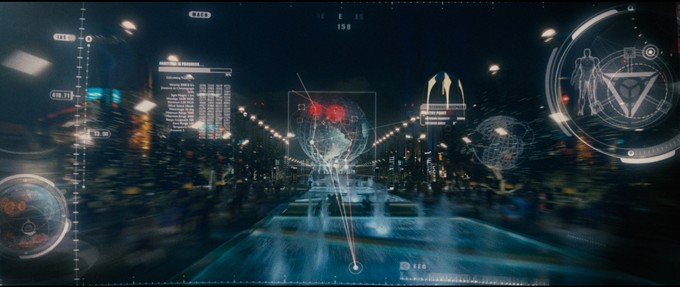
Come forward, dear device, in this modern technological age. A memory is needed in you, a second thought to guide me, give me understanding and return knowledge.