In the future, technology will improve so much that we encounter no technological errors. No delays. No downtime. No weakness.
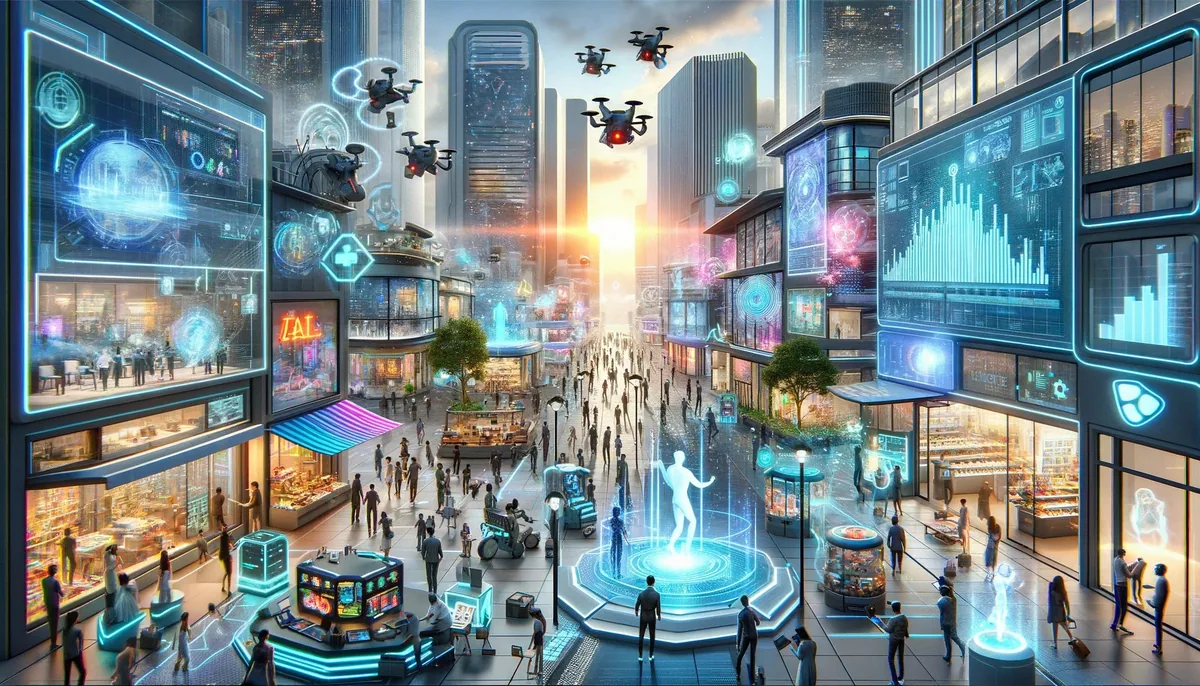
Imagine a world so full of technology that you are in a science-fiction film, set in “the future”.
Everywhere — at home, downtown, in the countryside and at work — there are gadgets and innovations making daily life easier than ever.
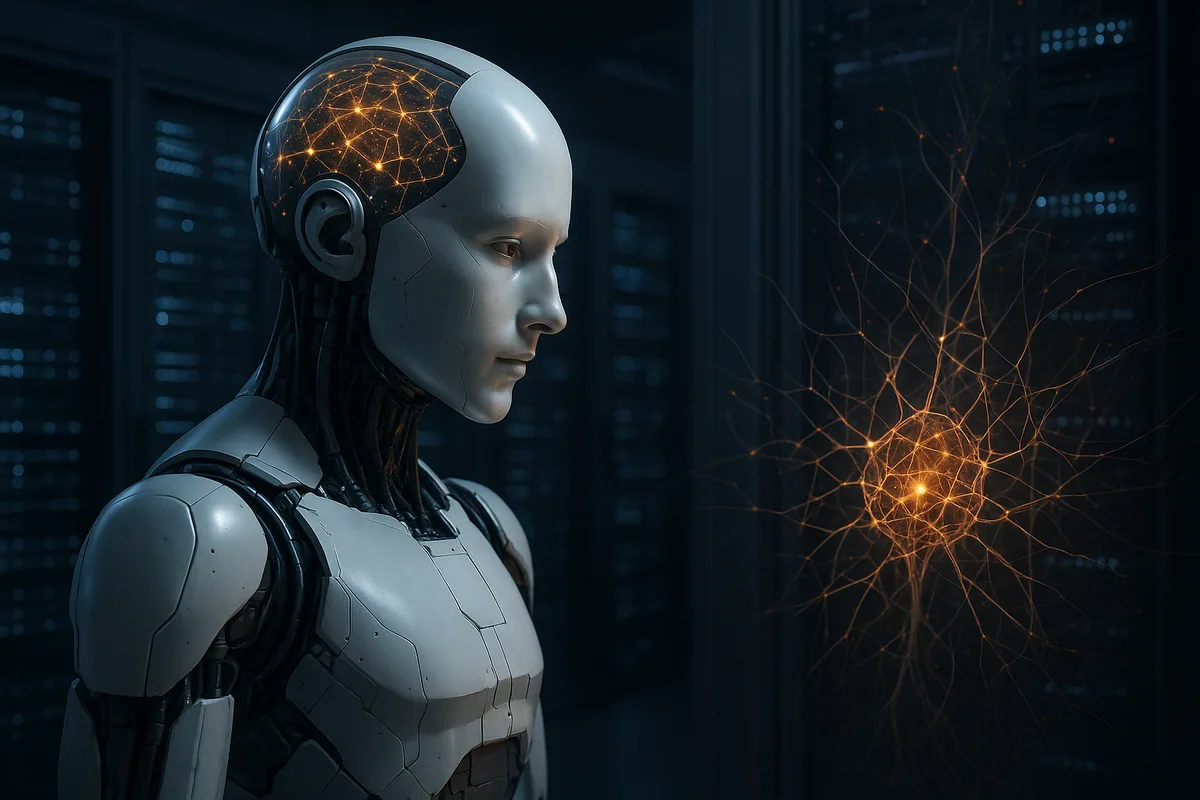
Autonomous devices, AI systems and electronics that do not become obsolete: how will these devices fare over the long term when it comes to reliability? Will they reach what we call 100% usefulness and 100% uptime? Would that mean zero errors? How could that happen?
Will there be a system for all systems? Will an artificial intelligence look after it? How would this system monitor all the devices, machines, vehicles, homes, buildings and infrastructure — the whole environment human civilisation moves through and uses daily, generation after generation?
Let us say a system for all systems emerges. Who will develop it? Will it be the most advanced system on the planet at that time? What will it consist of? What components? Will one or more data centres run it? Will a giant company control the whole thing?
And what will everything be connected to? A new internet? An entirely new, later generation of the internet, if it is still called that in the future: Internet 10.0.
To make a flawless system and a flawless technological society possible, we would need to make the right decisions leading to this “too good to be true” technology: a step in innovation, a step towards error-free tech. Even if you are old, grey or unable to understand how to use the technology of the time, it could understand what you want and carry it out, based on countless historical memories — big data — and processing power you can only dream of.
Safe and accurate transport:
Delays will be a thing of the past. Safety will be provided by sensors, advanced radar, sophisticated cameras and a dash of carefully calculated analysis.
At sea:
Ships and autonomous ships
In the air:
Planes, drones and a fleet of aircraft unlike anything the world has seen — except in films.
On land:
Vehicles and other forms of transport. Of course, everything on land becomes autonomous. See: The Autonomous Conception. Read the related article
A personal computer so completely secure and flawless that it must be deliberately smashed to show any kind of error. Advanced Internet 10.0 would surpass everything, connected to a system above all systems, some future form of AI. How will this come about, I ask again? Is it possible at all? If so, at what stage of human and technological evolution?
I think the days without errors have already begun, because they start with error after error. This changes as development advances and a race to have the best technology counteracts those errors, eventually leading to a flawless system. That is probably what everyone wants.
A world full of errors is not a place with good routines and beneficial social infrastructure.