Technology changes our civilisation.
Where populations are large, technology offers better ways to inform and communicate.

We will see technology improve the human condition and way of life.
Where electricity is lacking, we should provide it.
Where there is no water, we should use technology to provide it.
Through technology and information, we should deliver sustainable systems to those who do not already have them.
Governments, organisations and industries should use technology and information to set an example for people and for other governments, organisations and industries, showing how to enable positive development.
Be an example of how to contribute and adapt for the better. Provide what is needed to establish a standard for a civilisation that is here to stay.
We need stability and growing opportunities, a better future for those who are young today and tomorrow.
As civilisations grow, they pass through different stages that we must look after and improve. Improvement is good, whether small or large. First ask the right questions and speculate about what, where, when and why we need to improve our growing civilisation.
Could we move away from this? Yes, but what provides better stability and opportunities for people? Questions and speculation are needed to create better solutions and more options.
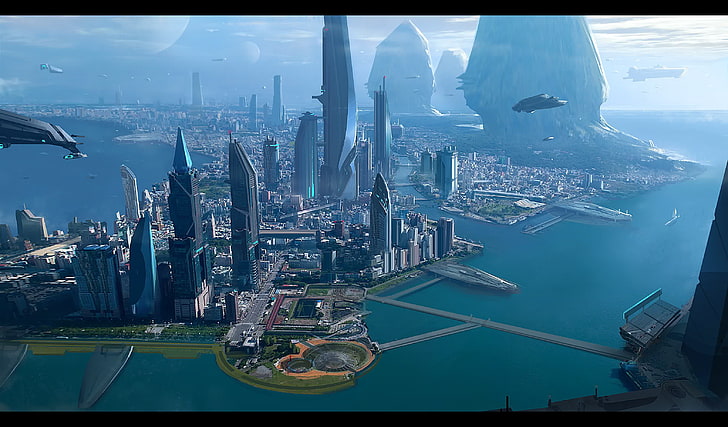
What can we improve?
Where should we improve?
When should we improve?
Why should we improve?
Improve our civilisation, continents, nations and cities. Improve yourself now, tomorrow and always. Improve because it is our responsibility.
It is about taking care of our civilisation. Technology should take care of us. Today it does so in some ways; how and when it does so will change considerably in the coming years as development progresses.
What technologies will change how civilisations develop?
The internet
The internet has already changed us: our behaviour and knowledge, and how we first interact with people on the other side of the planet through social media. You can stay connected and know what is happening in the world. You already know this. It is easy to do things without thinking about what has changed. The internet opens the gate to our technological civilisation, and we are the key. How we use knowledge to open that gate, and how the internet opens our store of knowledge, is up to us.
You decide how to use the internet. Use it positively and to understand how we develop and change the time we live in and move towards.
Mobile devices
Our reliable electronic companions — though some may not trust them. We use them constantly, almost as if attached to our bodies, perhaps one day literally. These companions will change us, probably more often than we are accustomed to today.
I saw a video about using mobile phones to create a listening system in the rainforest, detecting machinery used to clear forest. With such a warning system, someone nearby could be contacted to stop deforestation. At its best, this supports the fight for the climate.
Mobile devices will become more important, change and improve, becoming much-needed tools.
There is little better than a tool with enough solutions: a device providing information or communication and controlling what is needed for better structure at work or home.
Sensors
Sensors attached to devices can tell us what has changed. Sensors on vehicles can warn of danger and what lies ahead. Sensors in streets can provide recent information or watch over us in a situation.
Sensors become our third eye, giving and receiving information about all kinds of things. Highly developed sensors could read and calculate what we need, making places safer and better.
Where do we see change and development?
How we work
The change has already begun. Technology in our workplaces is here to stay. We work with technology and it works for us, intended to make workdays better, productive, efficient and stable. Combining technology and work can bring us into a modern market where we create more employment.
Technology and work are ultimately about us and how we implement technology in work that feeds and shelters our families.
Many say technological development will take over jobs, but it should be the opposite: technology should give us more employment.
Only we can change this, not technology. As I said, technology works for and with us. The people or generation making this change are already here. Development has started, and startups are part of it.
How we learn
How we educate and use knowledge to make a difference in a place where people can be safe and active.
We should always make educational progress, small or large. It is about how you acquire knowledge, become educated and reach a position where you can live and work with that knowledge.
How we learn, teach and obtain information is already changing as startups provide new methods. Online services can connect you with a personal teacher or tutor for almost any subject. Coursera, for example, is an educational platform with many courses. I believe education startups will change how we learn; the industry is changing education as we speak.
How we develop
Mutual development, shared interest and a better path towards a better civilisation. It is about cooperation between governments and industries. We should develop together, not against ourselves or our developing civilisation, using methods that meet our needs.
Cooperative progress for nations and industries.
Nations are responsible for development and depend on industries to make it happen.