Note these three ideas:
Technological successors, technological progress and technological development
What are technological successors, progress and development?
This concerns today’s, tomorrow’s and future technologies: where we are today and where we will be tomorrow. There is no obvious limit to where today’s technology may lead. The end of a new beginning: technology will move from one goal to the next. What will follow the technologies we know today? Their progress and development begin at the beginning and eventually reach a peak of advanced technology, unforeseen possibilities and greater benefits. The world we see is advancing to new heights.
What will be the next development in today’s technologies?
What will follow today’s technology?
I ask these questions because I am curious and excited. I want to know how things will go and am interested in trying new technology or simply reading that it exists and benefits us.
We must ask questions to get answers: answers to problems or answers that help us predict. We can only speculate about what will happen with the technologies we use today and what they will create for us. How will they improve society, and how will users react?
Let us speculate about technologies we already have and what I think we will eventually see, perhaps at the end of a period of high-tech innovation or in a future period of human history.
What will we see from these three types of technology?
Virtual reality (VR)
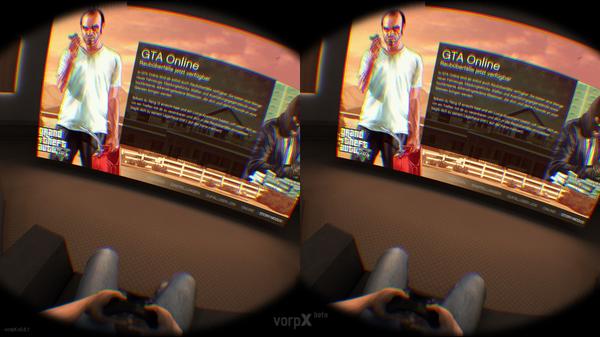
Games: the virtual world of GTA, Grand Theft Auto
The virtual world of the internet and beyond
Virtual reality is exciting technology. It means seeing the world through an optical field of animated surroundings, real surroundings captured by cameras elsewhere, or artificial reality. It is about games, enjoyment and experiencing something wonderful. What might we see when VR has taken a major step towards advanced technology and progress seems limitless? Let us speculate about a few areas and moments of VR and AR.
The future
The first area is online gaming, specifically connecting the online GTA experience with VR. Not ordinary VR as we see it today, but high-tech VR connected directly to the brain through electromagnetic neuroscience circuitry and a high-tech internet. Suddenly you are in the world of GTA, almost as if you were there: feeling, seeing and touching it. To leave, you use a voice code or buttons on a gadget on your arm. Time to play.
The second area is the internet and access to vast amounts of information, everything you might need. You take a trip through the world of the internet via VR connected to your brain. The internet is a place for information and gatherings, as it is today on a screen: information for those who want to learn and gatherings for those who want to meet.
As progress and development increase, we may experience a leap from ordinary ways of finding information to advanced methods that bring it directly before us. Not just information, but social interaction too, where we could almost touch one another “on” the internet.
Google Assistant, Cortana and Siri
The voices of our time, developed using technologies we created. We have seen their beginnings as digital assistants on mobile devices. You may already have heard of or used Google Assistant, Microsoft’s Cortana and Apple’s Siri. These assistants are the beginning of something useful for us and our surroundings. For now, they are useful in many ways but not yet developed to meet all our needs.
The future
Let us imagine our digital voice assistants at a higher level. Where is development going? What can we expect? Perhaps digital voices will help us in all kinds of situations. Must we always speak to get something in return? No. With sensors as their digital eyes and big data as their minds, we could expect them to help us around the clock.
Augmented reality (AR)
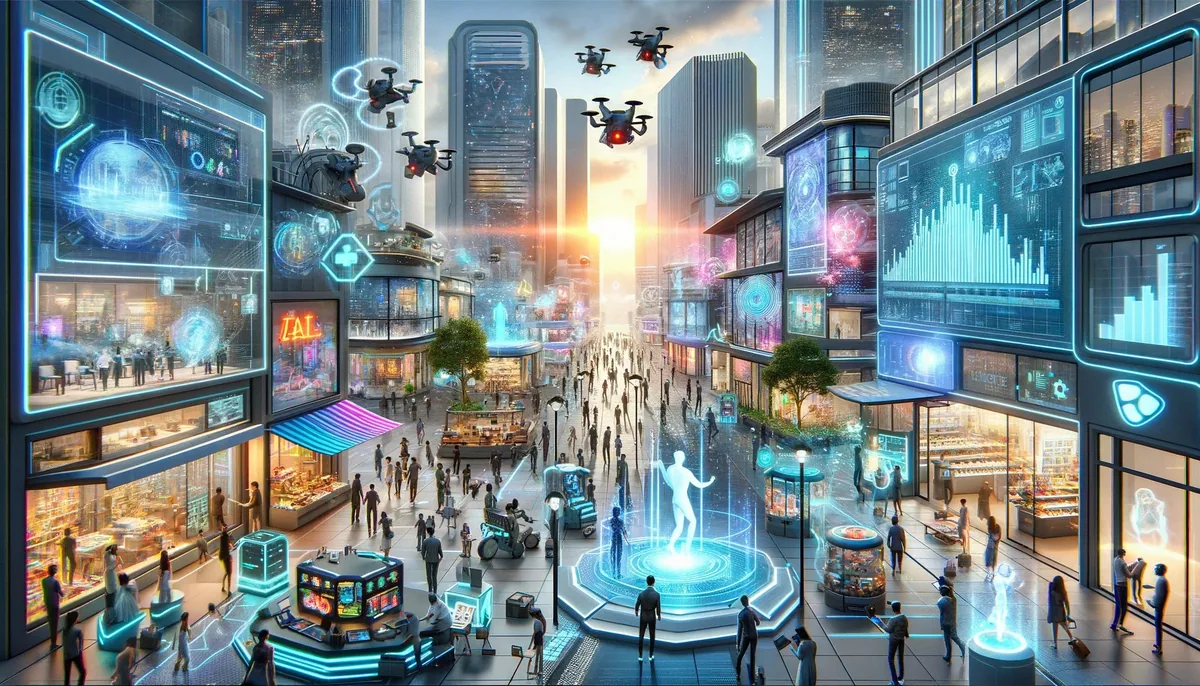
This technology is interesting. AR belongs in a similar category to VR. It is Star Wars-like technology, for example when a holographic image appears before you. Its uses are extensive. Many startups could make use of it once it is fully functional and advanced. One early feature I can imagine is a mobile-device display appearing in the air.
The future
Let us think differently: advertising. Advertising is sometimes, or always, annoying, but augmented reality advertising could suddenly make it interesting.
An AR advertisement might initially be interesting for consumers and less intrusive than a television advertisement or one stuck on a screen. It will be new and exciting at first. But once advanced AR advertising becomes widespread, it may become as ordinary as television advertising today.
What if consumers could use AR themselves? Perhaps for Christmas decorations inside and outside the house, a new way to communicate, or a user interface for information from the internet.
An interface not only seen but also touched.

I refer to the Wikipedia article on augmented reality, which discusses different areas where AR can be used: . http://en.wikipedia.org/wiki/Augmented_reality