What will it solve?
Will we stop saying “energy-intensive solutions” and instead speak of practical solutions powered by virtually endless, renewable and extremely affordable energy? What will we build and invent once our energy needs are solved for good?
And do not forget the better battery, or a battery that lasts a year at a time in an electric car or smartphone.
Check out: The Better Battery. Read the related article
Another major benefit is that the next big energy sources will most likely be what we hopefully call climate-friendly sources: energy that does not emit greenhouse gases harmful to the planet and inhabited areas.
Which sources or methods are powerful enough to give us such clean, affordable and endless energy?
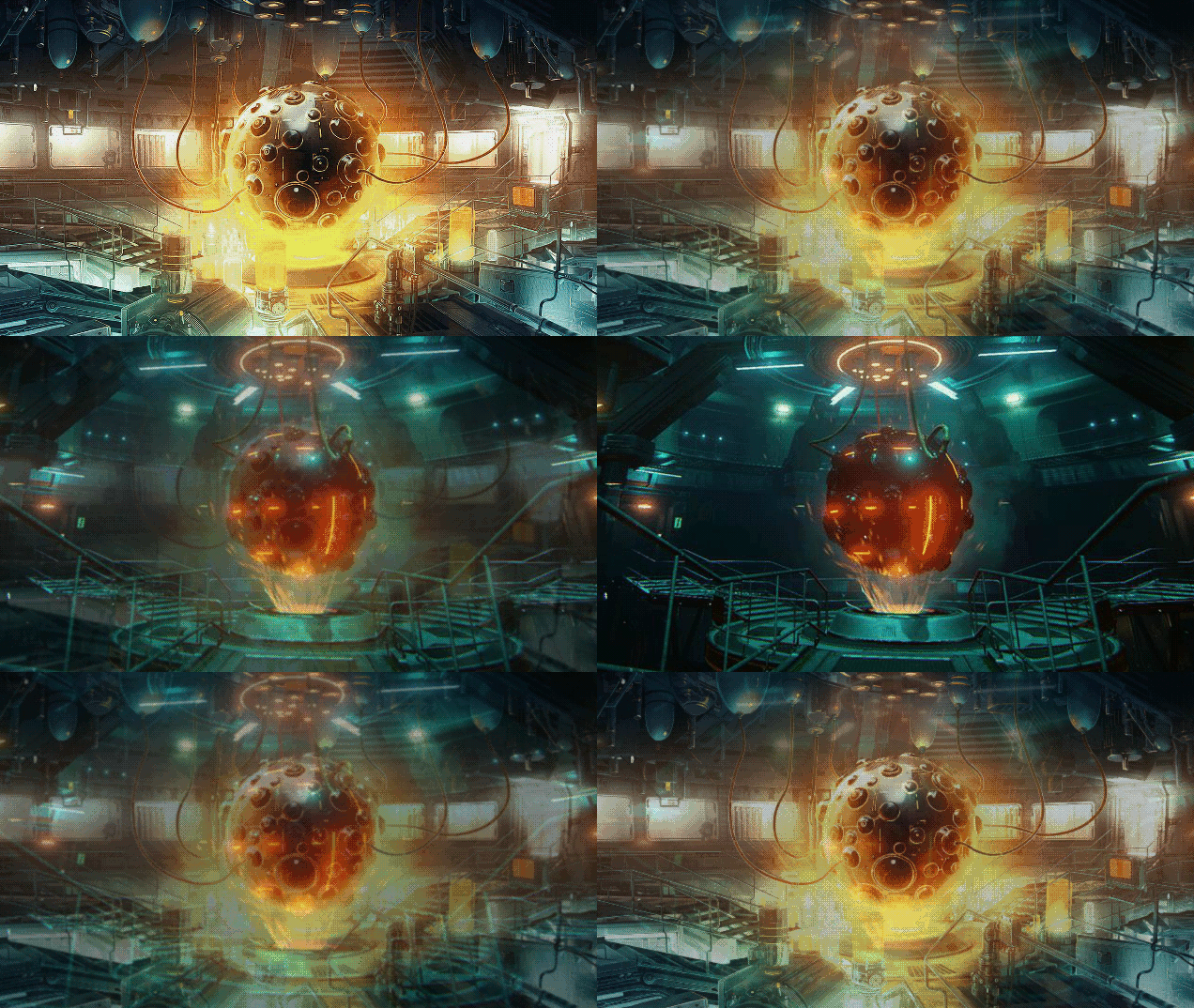
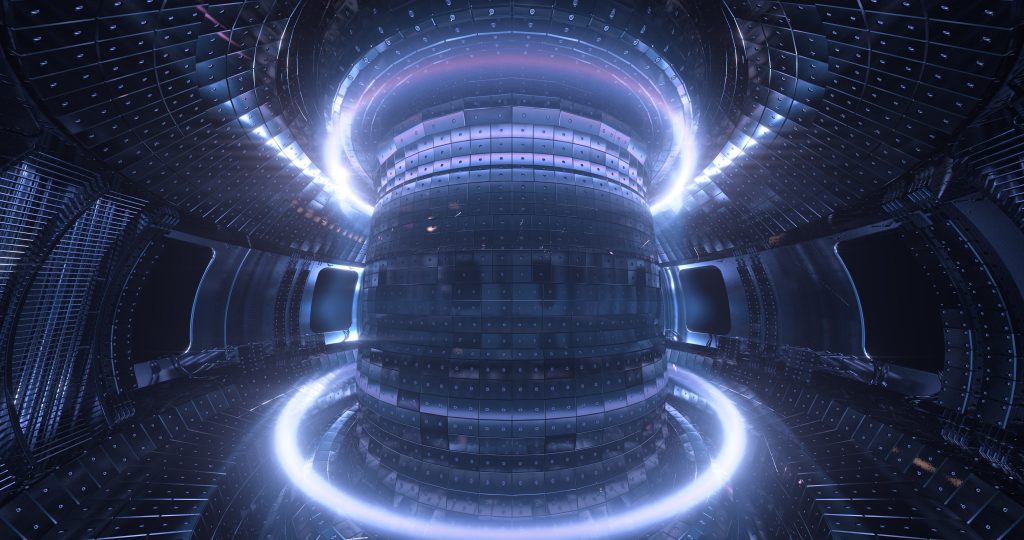
Fusion — ten years away?
AND
Renewables. These energy sources are already here; we need to improve and implement them around the planet. Another question is whether new, highly efficient renewable methods will appear.
Could the world’s freshwater supplies be secured by energy produced at close to zero cost? Climate-friendly energy, of course, because that is where development and research efforts are focused today.
Drinking water and brine:
If the energy problem is solved and plentiful clean energy becomes affordable, the world’s supply of clean drinking water could also be addressed. We are talking about energy so inexpensive it borders on free compared with today.
BUT using many desalination plants around the world at a time of “unlimited” energy would create another problem: brine, a by-product of turning salt water into fresh water. As more plants are built, the amount discharged directly into the sea would probably increase. This is a very big problem.
What is done today to avoid returning brine to the sea?
Evaporation ponds and deep-well injection are among the best-known alternatives for disposing of concentrated brine. Brine is sent to artificial ponds where the concentration stays in one place; the sun evaporates the water, leaving salt crystals that can be used in other industries. Deep-well injection sends the brine deep underground so that it does not return to the surface.
The cost of different disposal methods often leads to the cheapest choice: discharging it into the sea. High salt concentrations make conditions worse for underwater life in those areas. Imagine if most countries gained access to endless energy and therefore nearly endless drinking water from the sea. The by-product problem would have to be solved, or many would likely choose the cheapest method and return it to the sea.
That would improve things for us while making them ten times worse for the ocean, its life and those who depend on that ecosystem — everyone on the planet.
Back to endless energy sources and the economic side:
They could cause today’s methods and prices to collapse. We can speculate whether this would be drastic. If a new energy method appeared next year that made coal, gas and other fossil fuels used for electricity redundant, something unforeseen would happen and markets would react as dramatically as the new method’s debut.
It would affect the stock market for energy producers, their suppliers of services, goods and materials, and the markets where electricity is traded.
The upside is better conditions for electricity consumers and industries across international markets. Electricity could become cheaper or perhaps even free overall because energy production is so efficient and production costs minimal compared with today. I speculate that a fusion plant able to supply a city the size of Paris might cost as much as a smaller power station, compared with designing and constructing a large dam or hundreds of wind turbines or solar panels.
Renewables such as wind turbines and solar panels are not negative in themselves, but what will persuade governments, especially those in high-emitting countries, to transform their energy sectors for the climate?
The solutions must be good and convincing enough, such as fusion power. This method could turn the climate problem on its head, but when the technology will be ready is a question of time. We can follow, study and contribute while supporting other good climate-friendly energy alternatives in the meantime.